
When Polarization Is Personal
Gen Z is splitting along gender lines in ways reshaping politics, identity, and civic life — and independent and international schools should not ignore what this means for the next generation of global citizens (a common element of many mission statements or value propositions). An analysis by GZERO Media highlights a striking pattern: young women in multiple countries are moving left, while young men are drifting toward conservative, nationalist, or anti-establishment movements. This divide isn’t superficial. It reflects deeper tensions around economic insecurity, shifting gender roles, and the fragmented online ecosystems young people inhabit. In places as different as Germany, Brazil, South Korea, and the United States, young men and women are increasingly living in separate ideological, not to mention political, worlds.
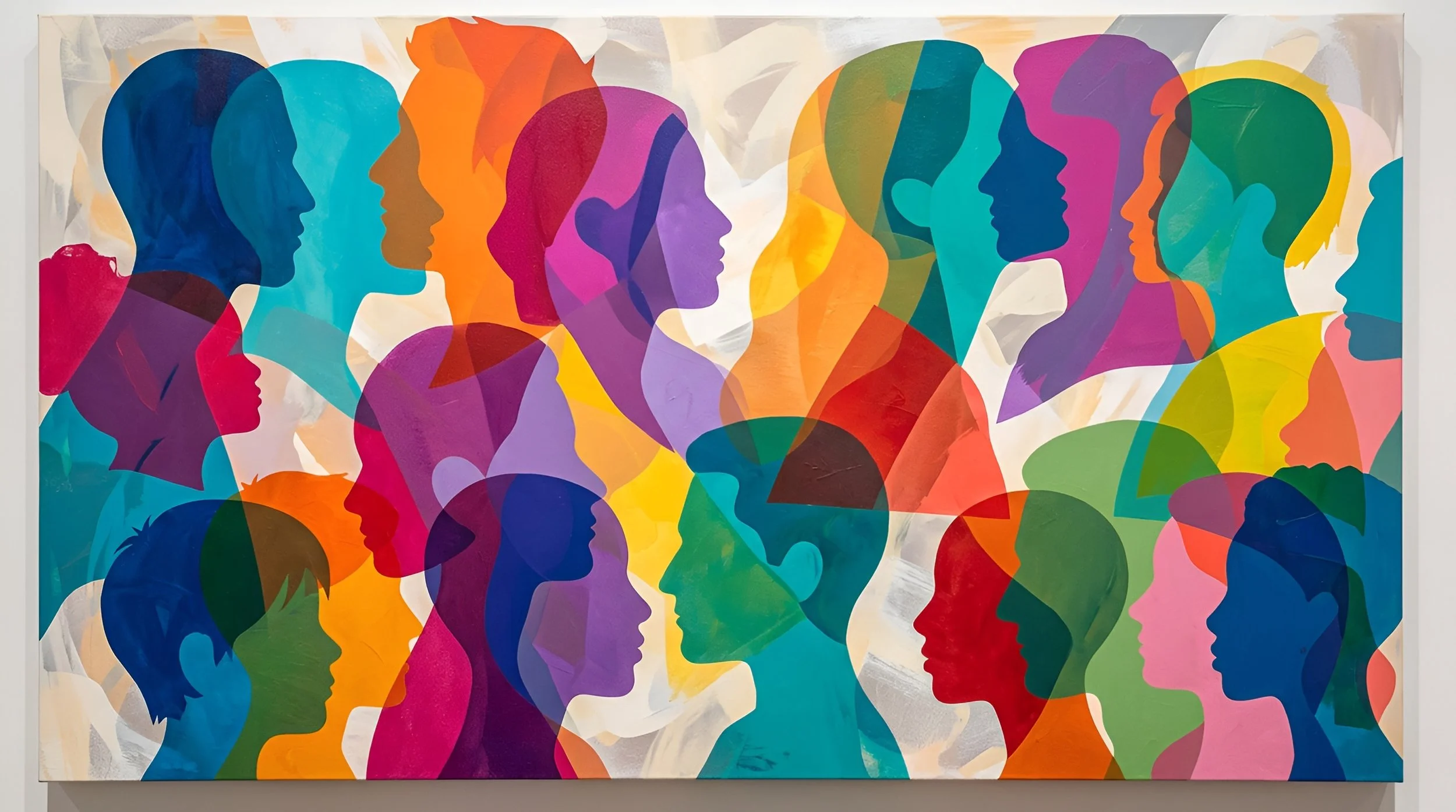
For schools committed to developing globally minded graduates, this deepening fault line has serious ramifications. Global citizenship education commonly assumes shared commitments to pluralism, empathy, and cooperative problem-solving. But if students arrive with sharply divergent narratives about fairness, identity, and power — and if those narratives are reinforced by algorithmic social media echo chambers — schools must become intentional spaces for bridging, not widening, these divides. This means educating students to understand how gender, economics, and media ecosystems shape political identity, creating structured opportunities for dialogue across differences, and teaching digital skills that enable students to interrogate the influencers and ideologies that shape their worldview.
Independent and international schools are uniquely positioned to respond because most already cultivate diverse communities, emphasize intercultural understanding, and often prioritize whole-child development. The Gen Z gender divide is a reminder that global citizenship is not only about awareness of differences between groups — it’s also about navigating the social fractures within one’s own cohort. Schools that help students build a shared civic vocabulary, practice respectful disagreement, and recognize their peers’ lived experiences across gender lines will graduate young adults better prepared to lead in a world in which polarization is increasingly personal.