When the Board That Hired You Is Not the Board You Serve
One of Nobel laureates Daniel Kahneman and Amos Tversky's findings concerns loss aversion: most people are roughly twice as sensitive to losses as to gains of equivalent magnitude. This is a universal tendency, though individuals vary in their loss aversion coefficient. The implication for board work is significant. Any proposed change can be framed as a potential loss relative to the status quo, and once framed that framed, it faces an asymmetric burden. The status quo benefits from loss aversion in ways that boards rarely recognize.
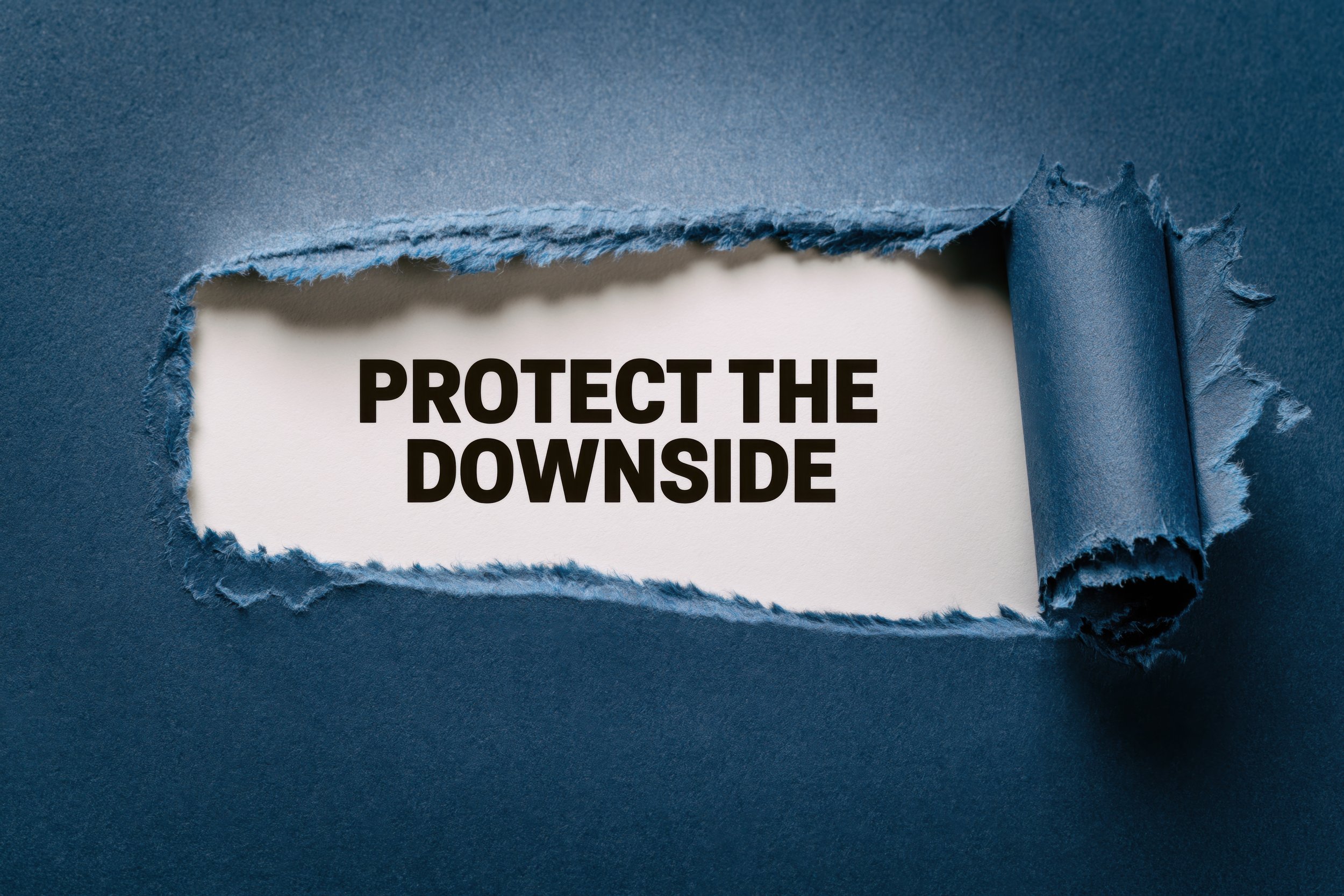
The most underappreciated dynamic in board work, however, concerns how trustees handle risk, especially when acting as fiduciaries. Call it the fiduciary asymmetry. Trustees in their personal capacities are often risk-tolerant. They have built businesses, made investments, and taken professional risks that paid off. On the board, the same people become systematically more conservative because losses to the institution are more reputationally and legally salient to them than gains. Hindsight bias makes failed bold moves look reckless, while failed cautious moves look merely unfortunate. The result is that boards, as collective bodies, routinely exhibit risk tolerance well below the average of their individual members. Heads of school encounter this constantly. The board that recruited them on the strength of a transformational vision is often the same board that, in committee, will accept only incremental moves.